
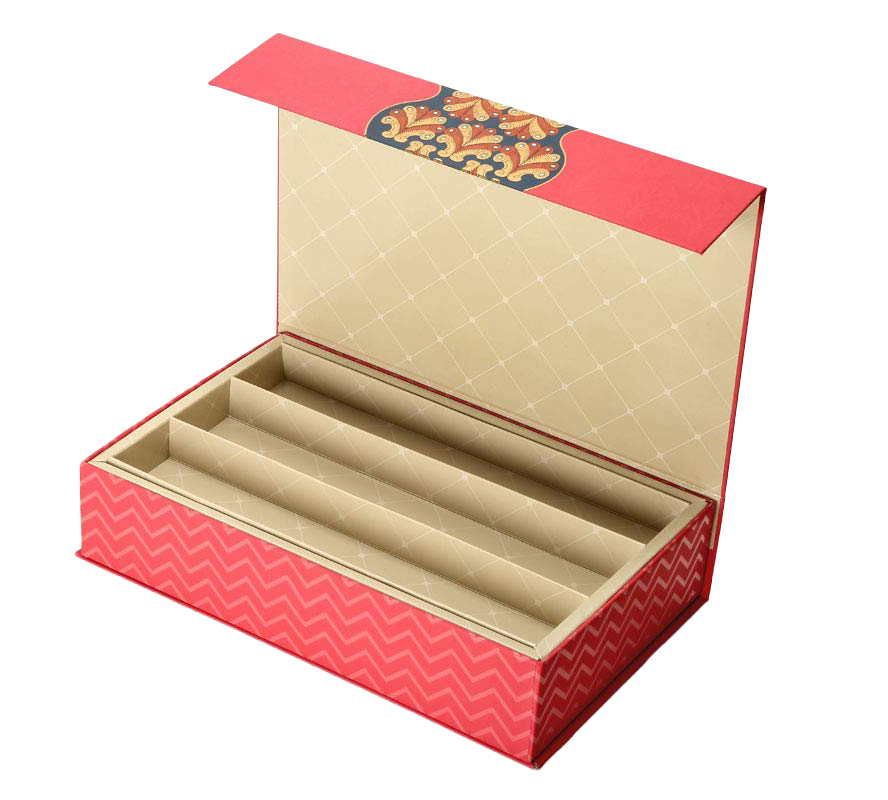
Custom packaging plays an important role in how customers see your brand. From custom boxes and paper bags to printed packaging, the right packaging can protect your products, strengthen brand identity, and create a memorable unboxing experience.
However, businesses can easily make mistakes when designing or ordering customized packaging. A poor design, incorrect size, or unsuitable material can increase costs and affect customer satisfaction.
If you are planning to invest in custom packaging, here are five common mistakes your business should avoid.
1. Choosing the Wrong Packaging Size
One of the most common packaging mistakes is selecting the wrong box or bag size.
Packaging that is too large can make products move around during transportation. It may also require extra filling material and increase shipping costs. On the other hand, packaging that is too small can damage the product or make it difficult for customers to remove.
Before ordering custom boxes, carefully measure your product, including its length, width, height, and any additional protective material you plan to use.
Choose packaging that provides enough space for the product without unnecessary empty areas.
Tip: Consider how your product will be placed inside the packaging and whether it needs inserts, padding, dividers, or protective wrapping.
2. Ignoring Packaging Material Quality
The appearance of packaging is important, but durability matters just as much.
Choosing a low-quality material simply because it is cheaper can lead to damaged products, torn bags, crushed boxes, and poor customer experiences.
The right packaging material depends on your product and how it will be handled. For example, fragile products may require stronger boxes, while lightweight retail products may work well with high-quality paper packaging.
Businesses should consider factors such as:
- Product weight
- Product size
- Fragility
- Transportation distance
- Storage conditions
- Moisture resistance
- Expected shelf life
- Packaging budget
Investing in suitable materials can help protect products while maintaining a professional appearance.
3. Overcomplicating the Packaging Design
Custom packaging gives businesses the opportunity to showcase their brand. But adding too many design elements can make packaging look confusing.
Using multiple fonts, excessive graphics, too many colors, and large amounts of text can make it difficult for customers to identify the brand or understand the product.
A simple and well-balanced design is often more effective.
Your packaging should clearly communicate important brand elements such as:
- Logo
- Brand colors
- Product name
- Key information
- Website or contact details
- Social media handles, when relevant
The goal is to create branded packaging that looks professional and is easy to recognize.
4. Forgetting About the Customer Experience
Packaging is more than a protective layer around a product. It is part of the customer’s experience with your brand.
A box that is difficult to open, a bag with weak handles, or packaging that makes the product difficult to remove can create frustration.
Think about the entire customer journey.
Ask yourself:
Can the customer easily carry the packaging?
Is the product easy to remove?
Does the packaging protect the product properly?
Does the packaging look attractive when the customer receives it?
Does it reflect the quality of the product inside?
Businesses should consider both functionality and appearance when creating custom packaging solutions.
A good package should be convenient, attractive, practical, and appropriate for the product.
5. Focusing Only on Price
Budget is an important part of every packaging project, but choosing the cheapest option is not always the best decision.
Low-cost packaging may save money initially but can create additional expenses if products are damaged, packaging needs to be replaced, or customers have a poor experience.
Instead of focusing only on the price per box or bag, consider the overall value.
Compare:
- Material quality
- Printing quality
- Durability
- Minimum order quantity
- Customization options
- Production time
- Shipping costs
- Long-term packaging requirements
A reliable packaging supplier can help you select an option that balances quality, appearance, functionality, and cost.
How to Avoid Custom Packaging Mistakes
Creating effective packaging does not have to be complicated. Start by understanding your product and customers.
Before placing an order, create a clear packaging plan.
Measure Your Product Correctly
Accurate measurements help ensure that your packaging fits properly. Include any inserts or protective materials that will be placed inside.
Select the Right Material
Consider the product’s weight, fragility, storage requirements, and transportation conditions before choosing packaging material.
Keep Branding Consistent
Your packaging should match your overall brand identity. Use consistent logos, fonts, colors, and messaging across your packaging and other marketing materials.
Test Before Ordering in Bulk
If possible, request a sample before placing a large order. Test the packaging for size, durability, appearance, and usability.
Think About Sustainability
Many customers are becoming more conscious of packaging waste. Using recyclable, reusable, or responsibly sourced materials can help businesses reduce unnecessary waste while supporting a more sustainable packaging strategy.
Why Custom Packaging Matters for Your Business
Well-designed packaging can provide several benefits beyond product protection.
It can help businesses:
- Build stronger brand recognition
- Improve product presentation
- Create a better unboxing experience
- Protect products during delivery
- Increase customer satisfaction
- Differentiate products from competitors
- Support marketing efforts
- Create a more professional brand image
For retail businesses, custom boxes and printed bags can turn ordinary packaging into a valuable branding opportunity.
When customers carry a branded shopping bag or share an attractive unboxing experience online, your packaging can also increase brand visibility.
Final Thoughts
Custom packaging is an investment in both your products and your brand. However, choosing the wrong size, poor-quality materials, complicated designs, inconvenient packaging, or focusing only on price can reduce its value.
By avoiding these five common mistakes, businesses can create packaging that protects their products, represents their brand, and provides a positive customer experience.
Whether you need custom packaging boxes, paper bags, printed packaging, or customized packaging solutions, taking time to plan your requirements can help you achieve better results and avoid unnecessary costs.
The best packaging is not simply attractive. It is functional, durable, memorable, and aligned with your brand.